The EBU Ukraine Archive: a repository of some of the best reporting in the world on the Russia-Ukraine War.
20 November 2025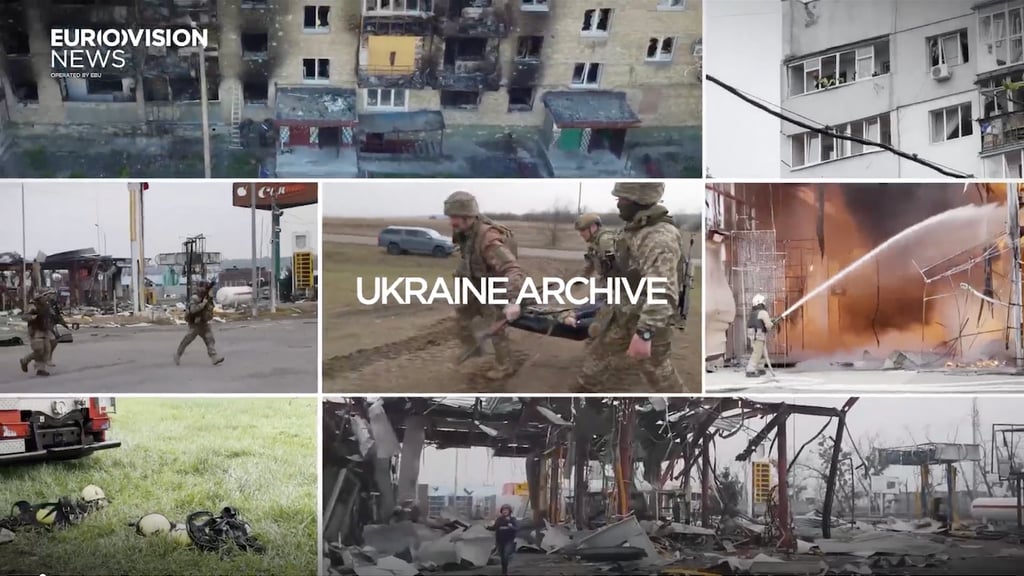
By Anne Koch, Project Lead, EBU Ukraine Archive
The EBU, the world’s largest alliance of public service media, is preparing to open its Ukraine Archive to external applicants – a curated, searchable collection of some of the best journalism about the Russia-Ukraine war since the full-scale invasion of February 2022, accessible on request to journalists, academics, human rights researchers and others engaged in public interest work.
It brings together more than 30,000 video and audio reports from EBU member journalists – from broadcasters like France Televisions, Telewizja Polska, BBC, Suspilne Ukraine, and many others – and contains social media verified by the Eurovision Social Newswire team and from other media sources, such as AFP , all focusing on the biggest armed conflict in Europe since the Second World War.
Searchable, practical, trustworthy
The material in the Archive is searchable by the usual criteria like location and date, and additionally each item is labelled with one or more tags documenting alleged human rights violations in armed conflict, specially devised for the project by human rights experts. These include abuses such as ‘Violence Against Person – Killing’, and ‘Infrastructure Damage – Bridge’ to name only two of the more than 100 tags we’re working with. This means researchers can search according to specific categories of human rights abuses in war and armed conflict, making their task easier and faster.
It's been a rewarding experience witnessing the close collaboration by national broadcasters, crucial to the project’s success. I’ve also been inspired by so many talented people inside and outside the EBU: the brilliant Eurovision News producers who curate and tag the items; endlessly helpful and knowledgeable IT experts without whom I would be at a complete loss; the EBU News Committee and Eurovision News leadership, strong supporters of the project who had the original vision to create the Archive; legal advisors, policy staff, and many others.
I was also inspired by archivists in national broadcasters, including the incredible network of Suspilne archivists, some of them working in difficult conditions close to the front line, and by archivists from other important archives around the world who advised me about issues like accessibility, ethical responsibilities and security.
The first draft of history
As I worked on the project, I increasingly came to realize that the Ukraine Archive is of fundamental importance. Amid the confusion, bloodshed and destruction of war and armed conflict, journalists bear witness. They open the world’s eyes to atrocities. Their work is critical. When they are not present, there is less accountability.
As human rights activist Nadia Murad, co-recipient of the 2018 Nobel Peace Prize, put it, ‘For the victims of conflict, journalists are quite often their only hope, giving us voice. They collect evidence, a vital part of the documentation process, helping to hold the powerful to account and to make the world a safer place.’
War reporting is stressful and often very dangerous for the reporters, producers, camera operators, translators, fixers, citizen journalists armed only with a phone, and others. With the Archive we have created an enduring resource, a ‘long tail’ for some of the best reporting in the world on the Russia-Ukraine War. The work of brave journalists and others should be preserved for posterity and for future accountability.
A powerful resource for multiple users
At a time when disinformation is rife, we’re compiling and archiving accurate, independent and quality journalism, that will help to create a factual and detailed narrative of the war, countering disinformation and propaganda. Truth is the first casualty of war, as the saying goes. The Archive is a rich source of material and of evidence, which will help to preserve the historical record for use by journalists, documentary makers, researchers and others to inform audiences around the world.
The Ukraine Archive is an immense work of collaboration – and a great example of how multiple media organizations can work together to create a sum that is bigger than its parts. The unique, collaborative effort by the EBU to create an archive that will endure could become a model or at least provide inspiration for other journalistic conflict and war archives and have an impact on the wider journalism community. It is also the case that this work might make a modest contribution to increasing public trust in media at a time when public media is under attack and journalism’s business model continues to be undermined.
For as long as the Russia-Ukraine war continues, the reporting and archiving also goes on.
Visit the EBU Ukraine Archive to learn more and apply for access.
Relevant links and documents
Contact

Related news

Press release
EBU to open digital Ukraine Archive as trustworthy source of material for journalists, researchers and investigators
The EBU has launched an extensive digital archive of curated audiovisual news content documenting the war in Ukraine since February 2022. The Ukraine...

Press release
Playing with fire: EBU investigates Russia’s hybrid attacks on Europe
A new report by the EBU Investigative Journalism Network reveals the extent of Russian hybrid attacks in Europe – including the use of “disposable agents”...
Statement
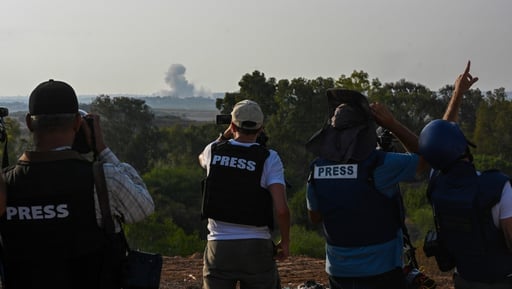
EBU urges unrestricted access to Gaza for foreign journalists
On the occasion of the EBU’s News Contacts Meeting, the world’s leading alliance of public service media again calls on the Israeli government to unblock...

Press release
Ukraine's Suspilne wins 2025 Gunnar Høidahl Award for Excellence in the Eurovision News Exchange
Ukrainian public broadcaster Suspilne has won the 2025 Gunnar Høidahl Award for Excellence in the Eurovision News Exchange for resilience and professionalism...

Press release
Europe Press Freedom Report 2024 warns about risks of war in Ukraine and persistent threats to media freedom across Europe
The risks that journalists faced covering the Russia's war of aggression against Ukraine remained the most pressing concern related to the safety of journalists...
Stories
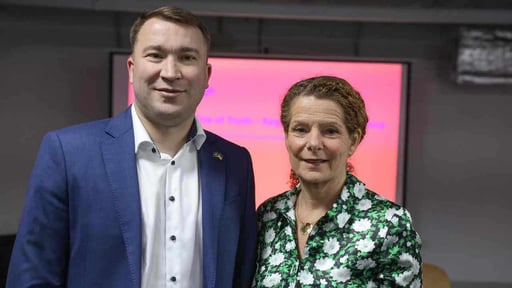
Journalism under attack like never before, warns Cilla Benkö on World Press Freedom Day
Journalism has never been more dangerous, EBU Vice President and Director General of Swedish Radio Cilla Benkö warned today during a special event in Ukraine...

Stories
Suspilne at Four Years of War: Resilience and trust
Four years into Russia’s full-scale invasion of Ukraine, our Member Suspilne continues to ensure access to trusted journalism at home while strengthening...

Press release
Press freedom report: increasingly hostile environment for journalism in Europe
On 3 March, the partner organisations of the Council of Europe’s Platform to promote the protection of journalism and safety of journalists released their...